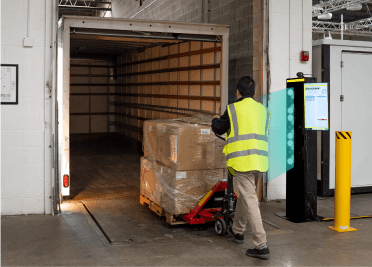








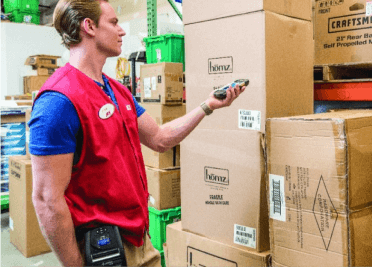







Most warehouses invest heavily in inventory management, barcode scanning, warehouse management systems, and picking accuracy. Yet many still rely on manual processes at one of the most critical points in the operation: packing.
Unfortunately, when there is no automated pack bench in place, the packing area often becomes a source of costly mistakes, customer dissatisfaction, and operational inefficiencies.
The reality is that a single packing error can trigger a chain reaction of rework, expedited shipments, chargebacks, lost productivity, and damaged customer relationships.
If your operation is experiencing recurring shipping issues, the problem may not be in receiving, inventory control, or picking. It may be happening at the final checkpoint before an order leaves the building.
The Packing Process Is Often the Most Vulnerable Step
Many companies assume that if inventory is accurate and orders are picked correctly, shipments should leave error-free.
In practice, mistakes still happen during packing:
- Wrong items placed in the box
- Missing components
- Incorrect quantities
- Wrong labels applied
- Mixed orders
- Documentation errors
- Packaging compliance failures
Without automated verification, organizations rely heavily on human judgment to identify these issues. And humans make mistakes, especially when order volumes are high.
9 Hidden Costs of Operating Without an Automated Pack Bench
#1: Mispacked Orders Become Customer Problems
One incorrect order can quickly turn into a costly customer service event.
The wrong SKU, missing component, or incorrect quantity may require:
- Return authorizations
- Replacement shipments
- Customer support involvement
- Additional freight expenses
- Order investigations
What begins as a simple packing mistake can ultimately cost far more than the value of the product itself.
The Real Impact
Customers often remember the shipment that arrived incorrectly more than the hundreds that arrived correctly.
Frequent fulfillment errors can damage:
- Customer trust
- Supplier scorecards
- Renewal opportunities
- Brand reputation
#2: Double-Checking Creates Hidden Labor Costs
Many warehouses attempt to avoid mispacks by implementing manual quality checks.
A second employee may reverify:
- Product quantities
- SKU accuracy
- Labels
- Packing slips
While this can help reduce errors, it introduces another problem.
You Are Paying Twice
Instead of creating value, skilled employees spend hours validating work that should already be correct.
This leads to:
- Increased labor costs
- Lower throughput
- Longer order processing times
- Difficulty scaling during peak demand
As order volume grows, the problem becomes increasingly expensive.
#3: Chargebacks and Compliance Penalties
For companies shipping to retailers, distributors, healthcare organizations, or regulated industries, packing errors can result in more than just customer complaints.
They can lead to financial penalties.
Common causes include:
- Incorrect case quantities
- Wrong product shipped
- Label violations
- Missing documentation
- Undocumented substitutions
These issues often trigger chargebacks that directly impact profitability.
Without an automated verification process, many companies discover compliance issues only after the shipment has already reached the customer.
#4: Endless Rework
Rework is one of the least visible but most expensive warehouse costs.
When a shipment error occurs, teams must:
- Investigate the issue
- Determine what happened
- Locate inventory
- Repack product
- Generate new shipping documents
- Expedite replacement shipments
- Update customers
The labor associated with correcting errors can quickly outweigh the effort required to prevent them in the first place.
#5: High-SKU Operations Become Difficult to Manage
As product catalogs grow, packing becomes more complex.
Operations managing:
- Thousands of SKUs
- Product variations
- Kits
- Configurations
- Customer-specific packaging requirements
face a significantly greater risk of shipping errors.
Employees must distinguish between products that may appear nearly identical but have different part numbers, revisions, or customer requirements.
Without automated validation, even experienced operators can make mistakes.
#6: Training New Employees Takes Longer
Many warehouses struggle with turnover and seasonal staffing.
When packing processes depend solely on tribal knowledge, new employees require extensive training before they can consistently pack orders correctly.
This creates:
- Longer onboarding cycles
- Greater dependency on experienced employees
- Higher error rates among new staff
- Reduced productivity during labor shortages
Organizations often discover that their packing process is only as reliable as their most experienced packers.
#7: No Visibility Into What Actually Happened
A shipment leaves the facility.
A customer claims:
- The wrong item was received.
- An item was missing.
- The wrong label was applied.
- The shipment contained the wrong quantity.
Now what? Without automated verification, organizations often have no definitive way to determine what occurred.
Investigations become dependent on:
- Employee memory
- Paper records
- Guesswork
- Manual audits
This creates frustration for both operations teams and customers.
#8: Packing Becomes a Bottleneck
Many facilities focus on speeding up picking operations while overlooking packing constraints.
When packers must manually verify every item, throughput suffers.
The result can include:
- Shipping delays
- Overtime expenses
- Order backlogs
- Missed carrier pickups
- Reduced customer satisfaction
As order volumes increase, manual processes become increasingly difficult to maintain.
#9: Growth Magnifies Every Existing Problem
Manual packing processes may function adequately at low volumes.
However, growth often exposes their weaknesses.
As organizations add:
- More customers
- More SKUs
- More distribution locations
- More order complexity
- Faster shipping requirements
The risk of error grows exponentially.
What once felt manageable suddenly becomes a major operational challenge.
What an Automated Pack Bench Changes
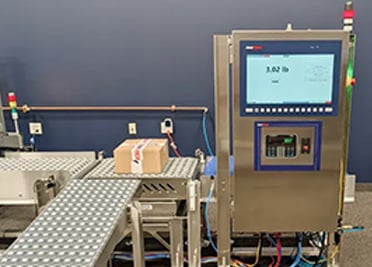
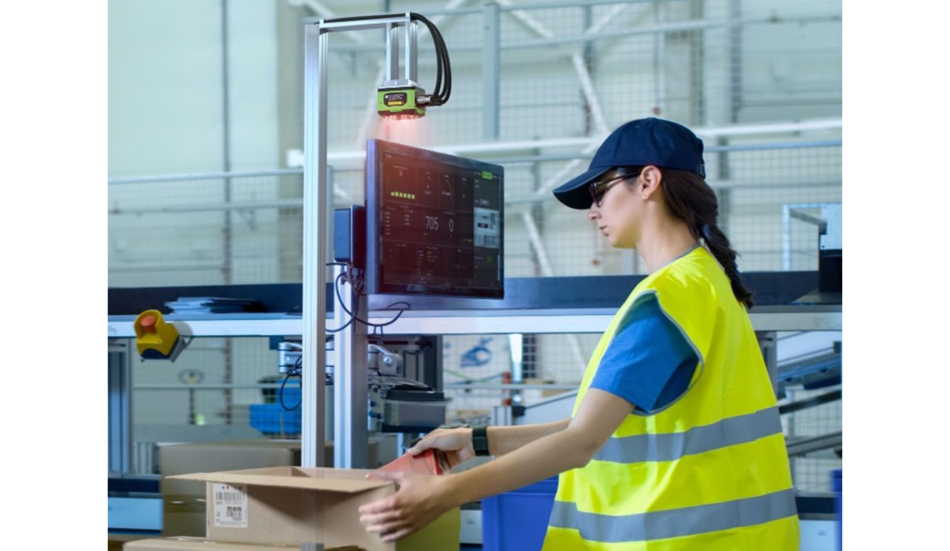
An automated pack bench creates a final checkpoint that validates every order before shipment. Instead of relying on visual inspections and manual double-checks, the system automatically verifies:
✅ Correct SKU
✅ Correct quantity
✅ Correct label
✅ Correct order
✅ Correct packaging workflow
Errors are identified immediately, allowing employees to resolve issues before boxes are sealed and shipped.
The result is:
- Higher order accuracy
- Fewer returns
- Reduced chargebacks
- Lower labor costs
- Faster throughput
- Better customer experiences
- Greater operational confidence
The True Cost of Doing Nothing
Many organizations calculate the cost of implementing automation.
Far fewer calculate the cost of continuing without it.
Every day without packing verification can contribute to:
- Preventable shipping errors
- Rework expenses
- Chargebacks
- Lost productivity
- Customer dissatisfaction
- Missed growth opportunities
The question is no longer whether packing errors are expensive.
The question is how much they are costing your operation today.
Tired of mispacks, chargebacks, rework, and customer complaints? AbeTech's automated pack bench solutions help validate every order before shipment, giving your team the confidence to ship accurately, efficiently, and at scale. Contact AbeTech today to schedule a consultation.