





















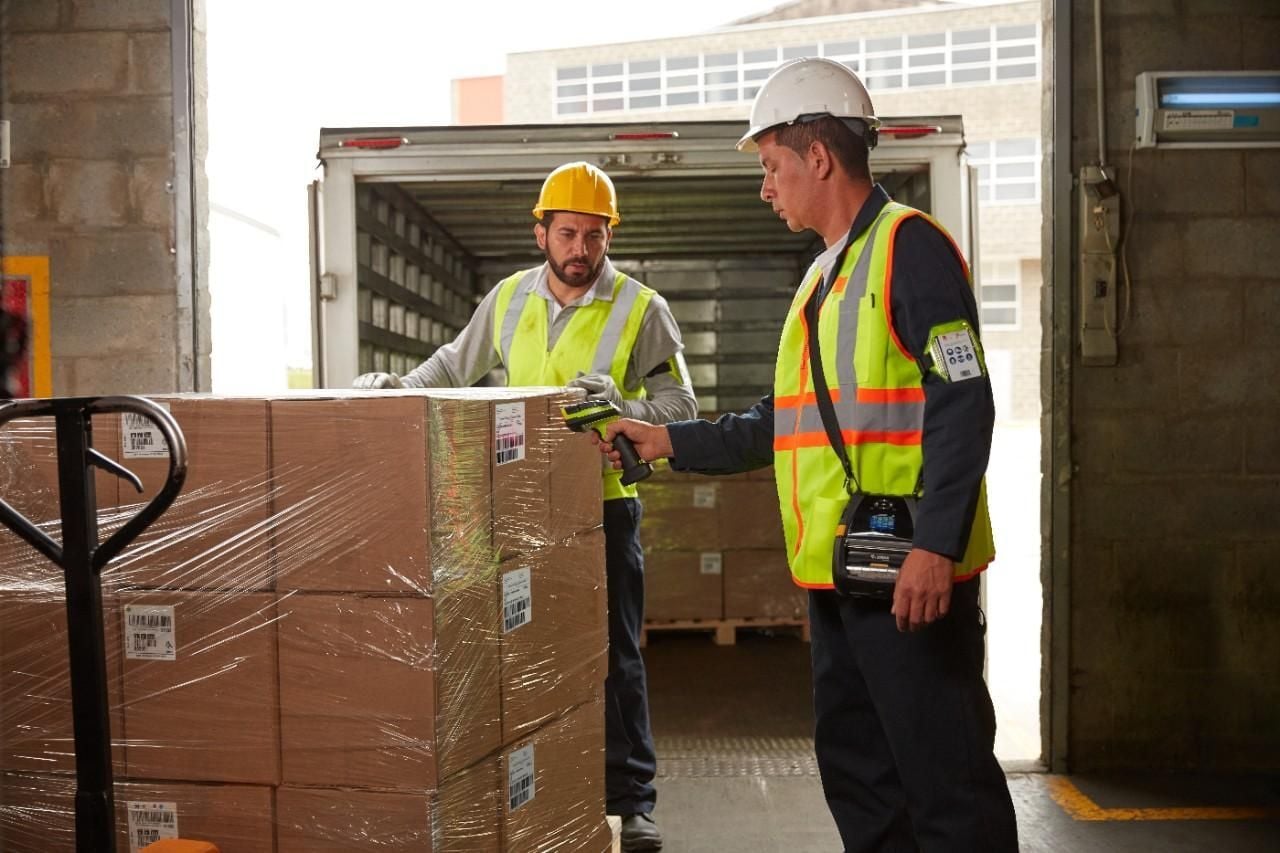
Your operation may be running at 99.9% accuracy.
On paper, that's outstanding.
But during peak season, even exceptional accuracy rates can create costly operational problems.
Because when volume increases, every small mistake becomes larger, more visible, and more expensive.
For warehouse and distribution leaders, that's the challenge of peak season. The issue isn't usually a dramatic system failure. It's the accumulation of small, preventable errors that suddenly occur hundreds of times per day.
And those errors don't just impact operations. They impact customer satisfaction, retailer relationships, and brand reputation.
The 0.1% Problem
Most fulfillment operations measure performance using percentages.
A 99.9% shipping accuracy rate sounds nearly perfect—and under normal conditions, it often is.
Consider a facility shipping:
- 10,000 packages per day = approximately 10 errors
- 100,000 packages per day = approximately 100 errors
- 230,000 packages per day = approximately 230 errors
The percentage hasn't changed. The business impact has.
Now add the realities of peak season:
- Temporary labor
- Overtime shifts
- Higher throughput requirements
- Increased SKU complexity
- Compressed shipping deadlines
In many operations, error rates don't stay flat during peak. They increase. That means the true cost of peak season errors can escalate quickly.
The Real Cost Isn't the Rework
Most organizations calculate the direct costs of fulfillment mistakes:
- Reshipments
- Return processing
- Customer service labor
- Chargebacks
- Expedited freight
Those costs matter. But they aren't the biggest risk. The larger threat is the customer experience.
One mislabeled shipment can create:
- Negative reviews
- Retailer complaints
- Lost future orders
- Damaged customer trust
In today's environment, a single poor delivery experience can be amplified through social media, online reviews, and customer feedback channels. Operations teams spend months preparing for peak season demand. It only takes a handful of preventable fulfillment errors to undermine that effort.
Where Most Shipping Errors Begin
The good news is that most fulfillment mistakes originate from a small number of operational checkpoints.
Common examples include:
Incorrect Items Packed
The wrong product is placed into a carton. The order appears complete until the customer opens the box.
Labeling Errors
A label is applied incorrectly, damaged, or associated with the wrong shipment. The shipment enters the network carrying bad information.
Pallet Verification Issues
Cases are placed on the wrong pallet or staged in the wrong area. The problem isn't discovered until loading—or worse, after delivery.
Wrong Truck Loading
A pallet is loaded onto the wrong trailer. The order leaves the facility exactly as planned—just headed to the wrong destination.
Each of these mistakes shares one thing in common: They are preventable if they are identified before the shipment leaves the building.
Why Leading Operations Teams Focus on Verification
The most effective way to reduce peak season errors isn't adding more manual checks. It's creating automated validation points throughout the fulfillment process.
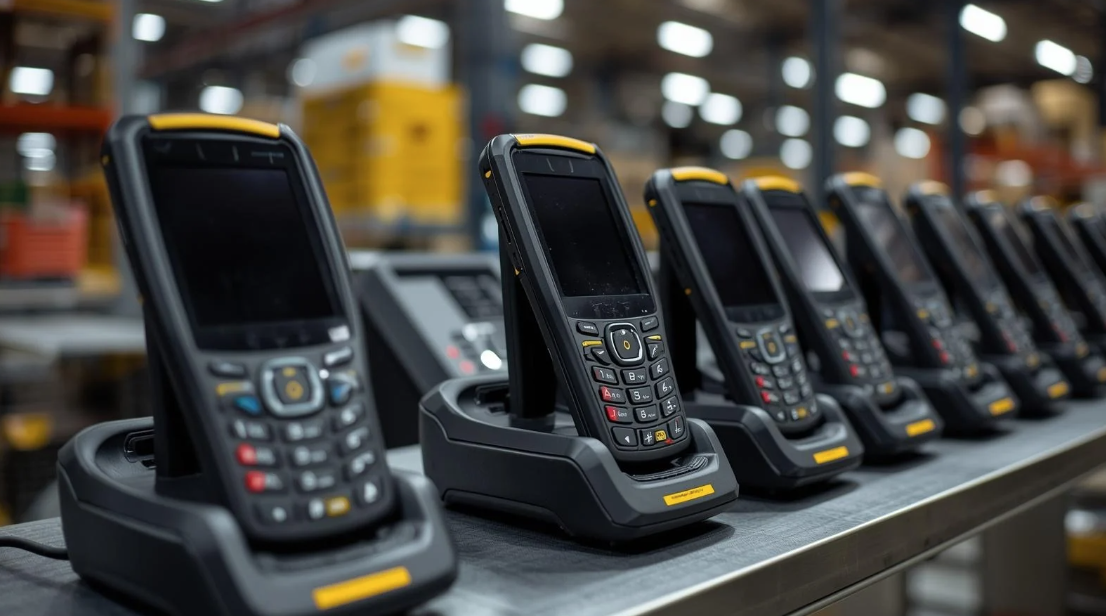
This is where AbeTech's GateKeeper platform delivers measurable value. GateKeeper helps organizations verify accuracy at critical control points including:
- Pack stations
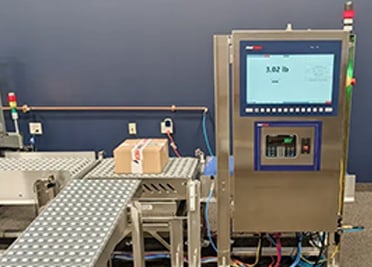
- Label verification checkpoints
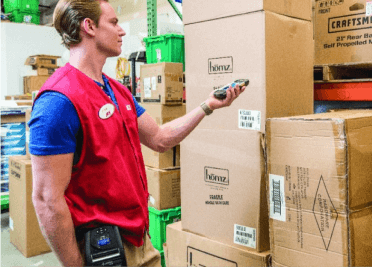
- Case scanning stations
- Pallet scanning systems
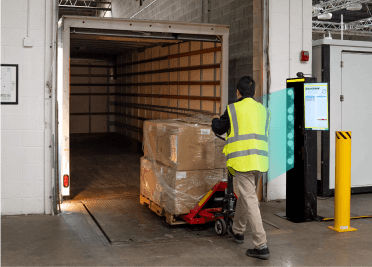
- Dock door verification portals
By automatically validating products, labels, pallets, and shipments before they move downstream, operations teams can catch errors when they are still inexpensive to fix.
Correcting a mislabeled carton at a pack station takes seconds. Correcting that same error after delivery can cost hundreds of dollars and damage a customer relationship.
The Business Case for Error Prevention
Most automation projects are justified through:
- Labor savings
- Throughput improvements
- Productivity gains
Those benefits are important.
But during peak season, error prevention may be even more valuable.
Reducing fulfillment mistakes helps organizations:
- Protect customer relationships
- Avoid retailer chargebacks
- Reduce expedited shipping costs
- Preserve brand reputation
- Improve operational consistency under pressure
For organizations competing on customer experience, accuracy is not just an operational metric. It's a competitive advantage.
Why Peak Season Planning Starts Now
The worst time to address fulfillment errors is during peak season. By then, the volume is already moving.
The most successful operations teams evaluate potential failure points well before demand spikes. They identify where mistakes occur, determine which processes rely too heavily on manual intervention, and implement verification systems that improve accuracy without slowing throughput.
That's where AbeTech helps.
Through GateKeeper, RFID, machine vision, barcode validation, and automation expertise, AbeTech helps organizations build fulfillment processes that remain accurate—even when volume surges.
Because when peak season arrives, the goal isn't just moving more product.
It's moving more product accurately.
Ready to reduce fulfillment errors before your next peak season?
Schedule a conversation with an AbeTech automation expert to learn how GateKeeper can help improve shipping accuracy, reduce chargebacks, and protect your brand when volume is at its highest.