














The Deadline Has Been Extended. The Work Hasn't.
Many food manufacturers breathed a sigh of relief when the FDA extended the compliance deadline for the FSMA 204 Food Traceability Rule from January 20, 2026, to July 20, 2028. However, while the deadline moved, the requirements did not. Companies that manufacture, process, pack, or hold foods on the FDA Food Traceability List (FTL) will still be required to capture specific traceability data, maintain accurate records, and provide that information to the FDA within 24 hours upon request.
For many organizations, this isn't simply a compliance project. It's a data collection, visibility, and operational improvement initiative that touches nearly every part of the supply chain.
The question isn't whether your organization will eventually need to comply.
The question is whether you're creating the processes and infrastructure now to avoid a rushed and costly implementation later.
What Is FSMA 204?
FSMA 204 is part of the FDA Food Safety Modernization Act and establishes additional traceability recordkeeping requirements for organizations that manufacture, process, pack, or hold foods included on the Food Traceability List. FSMA Final Rule on Requirements for Additional Traceability Records for Certain Foods,
The goal is straightforward: improve the food industry's ability to rapidly identify, trace, and remove potentially contaminated food from the supply chain before more consumers are affected.
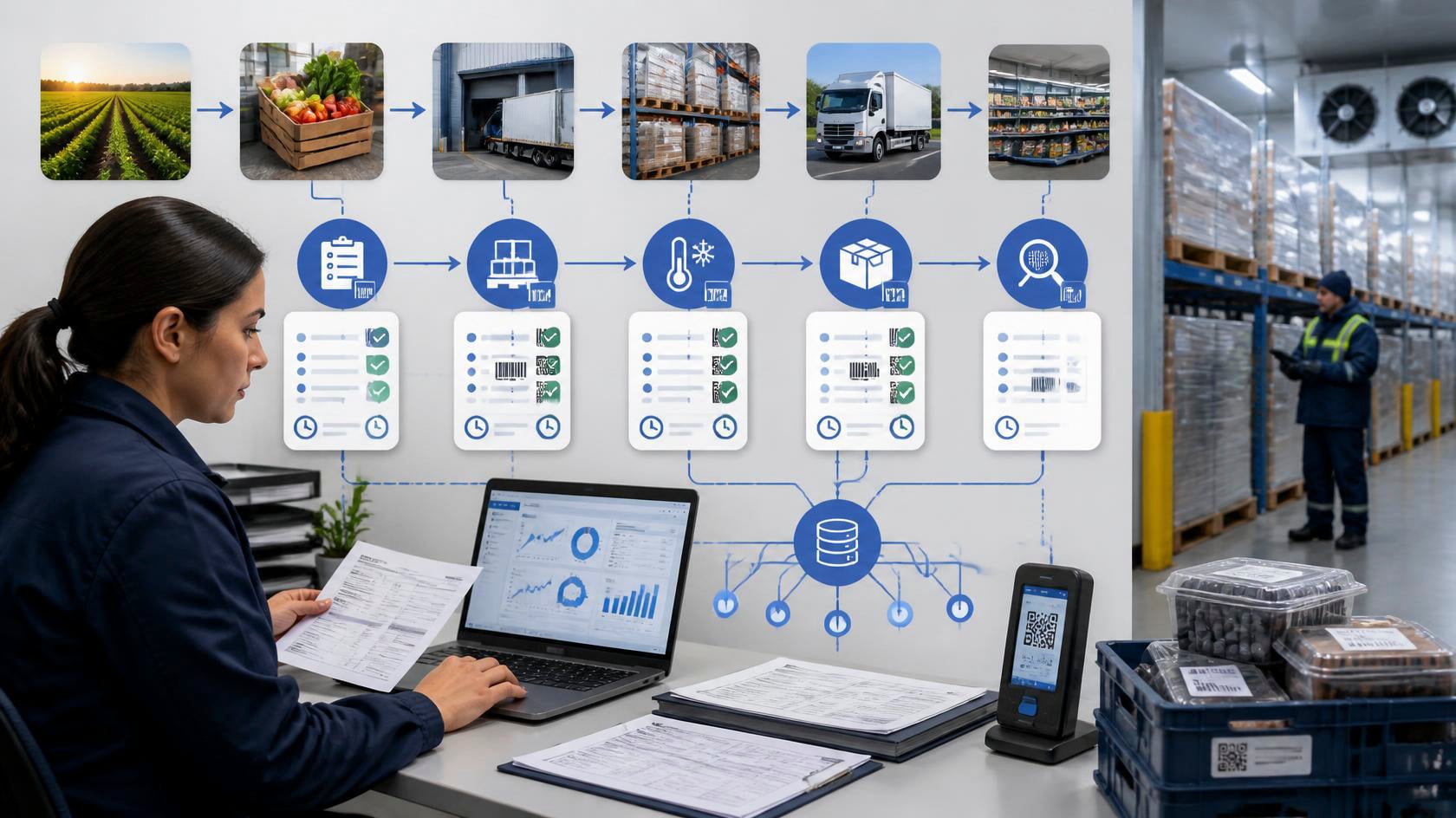
To accomplish this, organizations must maintain Key Data Elements (KDEs) associated with specific Critical Tracking Events (CTEs) throughout a product's journey. The FDA's objective is to make tracing products through the supply chain significantly faster during recalls and investigations.
Is Your Product on the Food Traceability List?
The Food Traceability List includes foods historically associated with higher food safety risk. Depending on your operation, this may include:
- Fresh-cut fruits and vegetables
- Leafy greens
- Shell eggs
- Soft cheeses
- Nut butters
- Seafood products
- Fresh herbs
- Certain ready-to-eat foods
Foods that contain ingredients from the Food Traceability List may also be subject to traceability requirements under certain circumstances. [fda.gov]
Many organizations assume the rule only impacts growers and processors. In reality, compliance obligations frequently extend to distributors, co-packers, warehouses, and other participants throughout the supply chain.
What Does Compliance Actually Require?
At a high level, organizations must:
Capture Key Data Elements (KDEs)
Specific information must be recorded throughout the lifecycle of a product, including lot-level data and traceability records.
Document Critical Tracking Events (CTEs)
Records must be generated at defined events such as:
- Receiving
- Shipping
- Transformation
- Packing
- Harvesting
- Initial land-based receiving
Produce Records Quickly
When requested by the FDA, organizations must provide a complete sortable electronic file containing required traceability information within 24 hours.
For organizations relying on paper logs, spreadsheets, and disconnected systems, this may be easier said than done.
Why Many Food Manufacturers Are Concerned
In theory, tracking lot numbers and transaction records sounds straightforward.
In practice, many facilities are still reliant on:
- Paper receiving records
- Manual inventory transactions
- Spreadsheet-based tracking
- Handwritten production logs
- Multiple disconnected software systems
When traceability data is spread across departments and systems, compiling accurate records becomes time-consuming and prone to error.
During a recall event, every minute matters.
If your team must search through spreadsheets, filing cabinets, and multiple databases to reconstruct a product's history, your organization may struggle to meet FDA response expectations.
The Real Challenge Is Data Visibility
Most food manufacturers already collect a significant amount of information.
The problem isn't a lack of data.
The problem is that the data often exists in silos.
Production teams have one set of records.
Warehouse teams have another.
Shipping maintains separate documentation.
Quality departments keep information elsewhere.
FSMA 204 is driving organizations to connect these information streams into one traceable digital process.
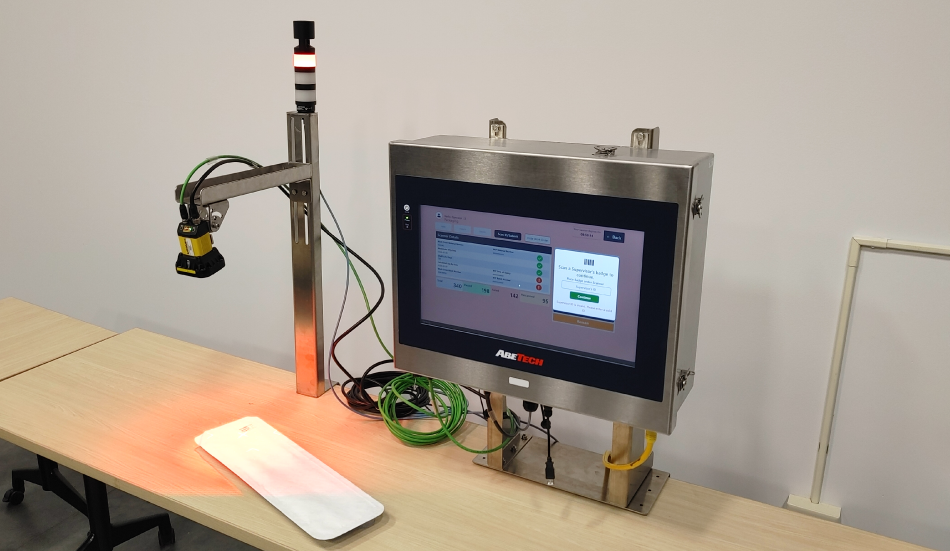
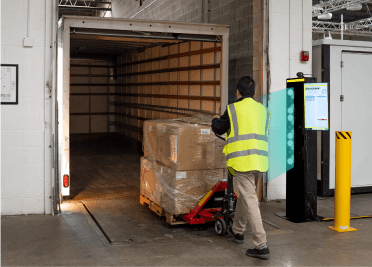
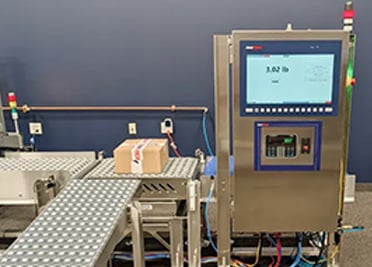
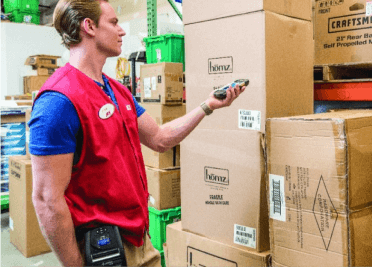
This is why many manufacturers are evaluating technologies such as:
- Barcode scanning
- Mobile data collection
- RFID tracking
- Industrial label printing
- Warehouse management systems
- ERP integrations
These technologies help automate data collection at the point where work occurs instead of relying on employees to manually enter information later.
Compliance Can Deliver Operational Benefits
One of the biggest misconceptions surrounding FSMA 204 is that it's simply another regulatory burden.
Organizations that implement traceability technology correctly often discover benefits far beyond compliance.
These may include:
Improved Inventory Accuracy
Real-time visibility reduces uncertainty and improves confidence in inventory levels.
Faster Recall Readiness
Products can be identified and isolated much more quickly.
Reduced Manual Data Entry
Automated data capture improves accuracy while reducing labor requirements.
Better Supplier Accountability
Lot-level visibility creates greater transparency throughout the supply chain.
Stronger Decision Making
Access to reliable operational data helps leaders identify inefficiencies and process improvements.
Compliance often becomes the catalyst for broader operational transformation.
Why Waiting Until 2028 Is Risky
Three years can sound like a long time.
For food manufacturers, it isn't.
Evaluating requirements, identifying data gaps, selecting technology, integrating systems, training employees, validating processes, and conducting mock recall exercises all take time.
The organizations that begin planning now will have the flexibility to implement improvements strategically.
The organizations that wait may find themselves rushing to deploy systems, train employees, and meet deadlines under significant pressure.
How AbeTech Helps Food Manufacturers Prepare
At AbeTech, we help manufacturers build traceability processes that support both compliance and operational excellence.
Our team works with organizations to implement:
- Barcode scanning solutions
- RFID technologies
- Industrial printing and labeling systems
- Mobile computing platforms
- Warehouse and inventory visibility solutions
- ERP-integrated data collection systems

Whether you're just beginning to evaluate FSMA 204 requirements or are ready to modernize your traceability processes, AbeTech can help create a roadmap that aligns compliance goals with business performance improvements.
Don't Let the New Deadline Become a Future Crisis
July 20, 2028 may seem distant, but the time to build a resilient traceability strategy is now.
The FDA extended the deadline.
They did not reduce the requirements.
Organizations that use the extension wisely can position themselves for compliance, stronger operations, and improved visibility throughout the supply chain.
Ready to Evaluate Your FSMA 204 Readiness?
Contact AbeTech to discuss how barcode scanning, RFID, labeling, and real-time traceability solutions can help you prepare for the July 2028 deadline while improving operational performance today.