


















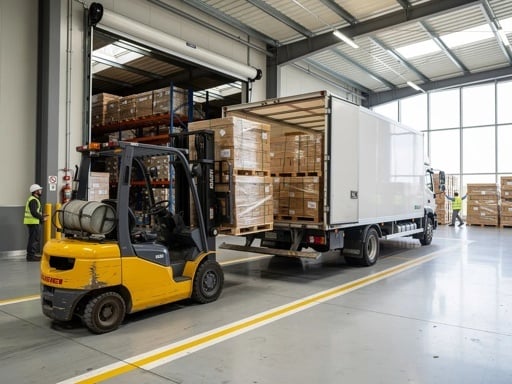
Every shipment that leaves your facility carries risk.
Not because your team isn’t doing their job—but because the final checkpoint is often the weakest.
At the dock door, errors slip through quietly:
A pallet staged in the wrong lane
A missed scan during a busy shift
A last-minute change that never gets verified
And once it’s loaded, it’s too late.
The Problem with “Final Checks”
Most operations rely on a combination of:
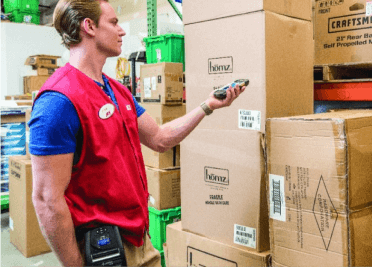
- Manual barcode scans
- Paper verification
- Visual confirmation
These processes are designed to catch errors—but they depend on consistency under pressure.
And at the dock door, pressure is constant.
Trucks are waiting. Schedules are tight. Throughput matters.
That’s when validation gets rushed—or skipped entirely.
Why Errors Happen at the Last Step
The issue isn’t effort. It’s visibility.
Traditional systems confirm what should happen.
They don’t always confirm what actually happens.
So when:
- A pallet is loaded onto the wrong truck
- An order is incomplete
- A shipment leaves early
The system still shows everything as correct.
That gap between system data and reality is where costly errors live.
What a Controlled Dock Door Looks Like
High-performing operations treat the dock door as a control point—not just a transition point.
That means:
- Every pallet is automatically validated before loading
- Shipments are verified against order data in real time
- Exceptions are flagged immediately—not after delivery
This shifts the process from reactive to proactive.
How AbeTech Solves the Problem
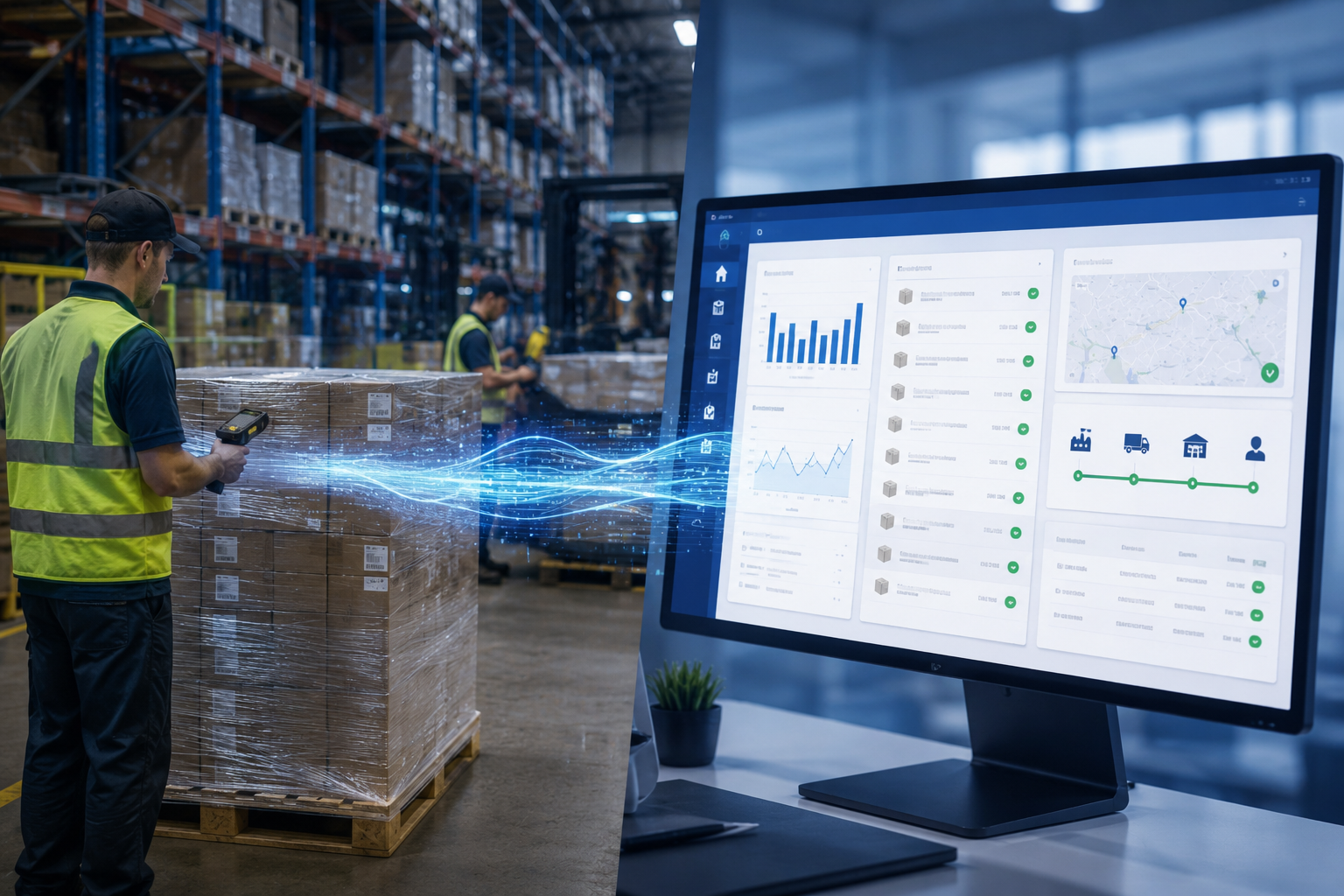
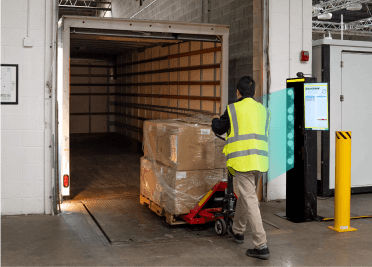
AbeTech’s GateKeeper Dock Door solution brings automated validation to the final step.
Using RFID, barcode, or vision-based scanning, it:
- Confirms what is being loaded matches the shipment
- Validates movement through the correct dock door
- Provides real-time visibility into outbound activity
And most importantly—it does this without slowing down operations.
Because validation happens automatically, not manually.

The Operational Impact
When dock door validation is automated:
- Shipping accuracy increases
- Chargebacks decrease
- Rework and reships drop
- Teams spend less time troubleshooting errors
But beyond metrics, something else improves:
Confidence.
Operations teams know what left the building—and that it was correct.
The Bottom Line
Shipping errors don’t start at the dock door—but that’s where they can be stopped.
If your final checkpoint still relies on manual validation, it’s not a control point.
It’s a risk point.