





















“This pallet’s supposed to be on Truck 2, not Truck 1.”
That one sentence triggered three people scrambling, a reroute, and a late delivery to one of our best customers.
The worst part? It wasn’t anyone’s fault. The label was scanned. The product was picked.
But somehow, it was still in the wrong place at the wrong time.
So we sat down with the team at AbeTech to ask the hard questions—because automation always sounds great… until you're the one trying to justify the investment.
Q: Be honest—can RFID really fix shipping errors?
AbeTech: Yes—but not by itself.
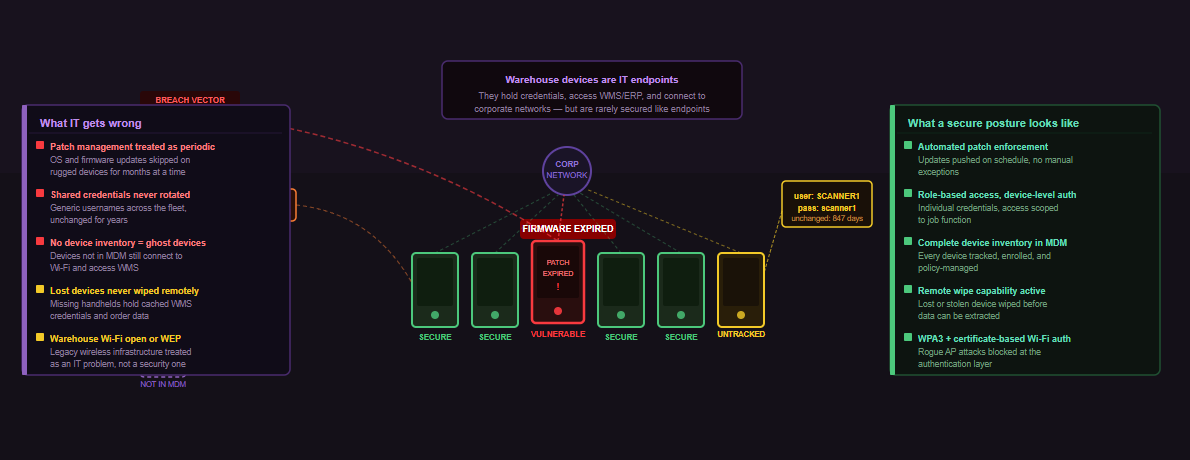
RFID isn’t a silver bullet. What it does do is give you visibility. You’ll know when something’s in the wrong zone, on the wrong pallet, or hasn’t moved when it should have.
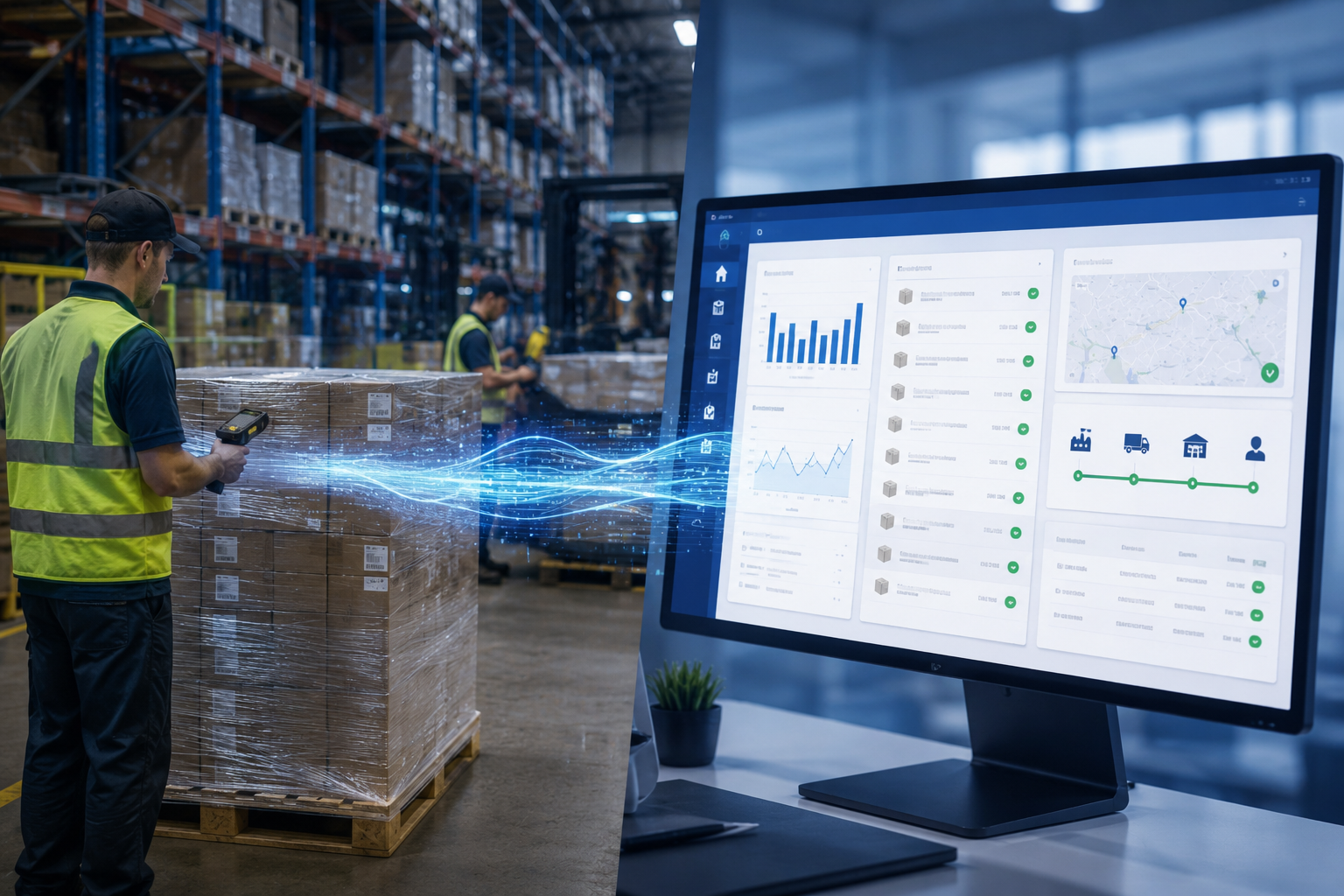
“You can’t fix what you can’t see. RFID gives you a live feed of your staging floor.”
Q: What’s the real problem you’re solving in shipping and staging?
AbeTech: Misdirected freight. Overlooked orders. Guesswork.
Most facilities rely on barcode scans—and barcode scans rely on people.
If someone misses one scan, or a label gets smudged, your system thinks the item is where it should be. But it’s not.
With RFID, the system doesn’t think. It knows.
Q: Isn’t this just overkill for problems that can be fixed with training?
AbeTech: That’s a common reaction.
But training doesn’t eliminate human error—it just tries to contain it. And when a single mis-ship can cost thousands in expediting fees or fines, why keep gambling?
RFID and automation help by:
-
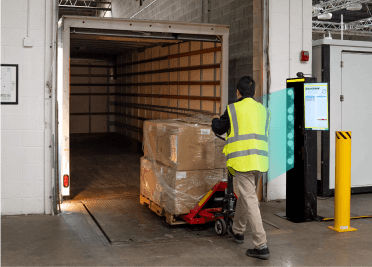
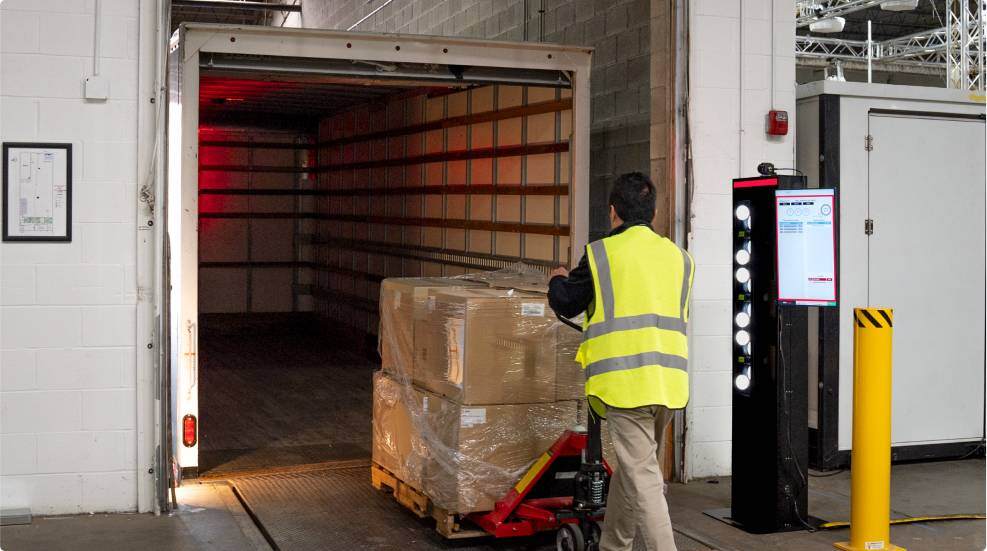
Portal readers that validate what enters/exits a zone
-
Zone alerts for items that sit too long or move too early
-
Staging dashboards showing what’s ready, waiting, or missing
One client saw a 98.9% shipping accuracy rate after implementation—up from 91%.
Q: What’s the ROI story here? And don’t give me a “soft savings” answer.
AbeTech: Fair. Let’s talk real numbers.
For a mid-size distribution center:
-
Mis-ship rate drops by 5–7%
-
Labor hours spent resolving errors cut in half
-
Fewer chargebacks and expedited shipments
Visual suggestion: Graph: “Pre/Post RFID – Mis-ship Rate Decline”
ROI usually shows up within 6–12 months, sometimes sooner depending on volume.
Q: What’s the catch? What are people NOT thinking about?
AbeTech: A few things:
-
RFID tags must be properly placed
-
Your current system needs to interpret RFID data (we handle that)
-
Training is still required—but now it’s about handling exceptions, not chasing paper
This isn’t plug-and-play magic.
But it’s one of the most repeatable, measurable, and scalable tools you can add to shipping and staging.
Q: Can you share a real-world example?
AbeTech: A global auto parts supplier came to us with poor shipping accuracy.
Orders were “verified,” yet still arrived incomplete—or worse, to the wrong customer.
We implemented:
-
RFID tracking at dock doors
-
Integration with their WMS
-
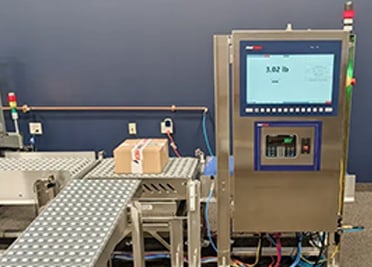
Automated mismatch alerts between staged and loaded pallets
Results:
-
100% of orders auto-validated before leaving the dock
-
80% reduction in rework
-
Zero customer complaints about wrong shipments in the first 90 days
Q: If someone’s skeptical like me, what’s the first step?
AbeTech: Start small.
Don’t overhaul your entire system. Run a pilot on one dock, one shift, one process.
Track the impact:
-
Labor hours saved
-
Order accuracy
-
Downtime avoided
“You don’t need to believe us. Let the data convince you.”
Final Thought: Doubt Is Healthy. But So Is Progress.
RFID won’t fix your process for you. But it will expose what’s actually happening—and how often.
If you're still relying on paper trails and barcode scans to manage shipping and staging, maybe it’s time to stop guessing.
Any further questions contact us here:
🔗 Contact AbeTech to upgrade your inventory management with RFID.
#RFID #InventoryManagement #SmartManufacturing #SupplyChainVisibility #AbeTech #Automation