




















Enterprise operations are becoming more automated.
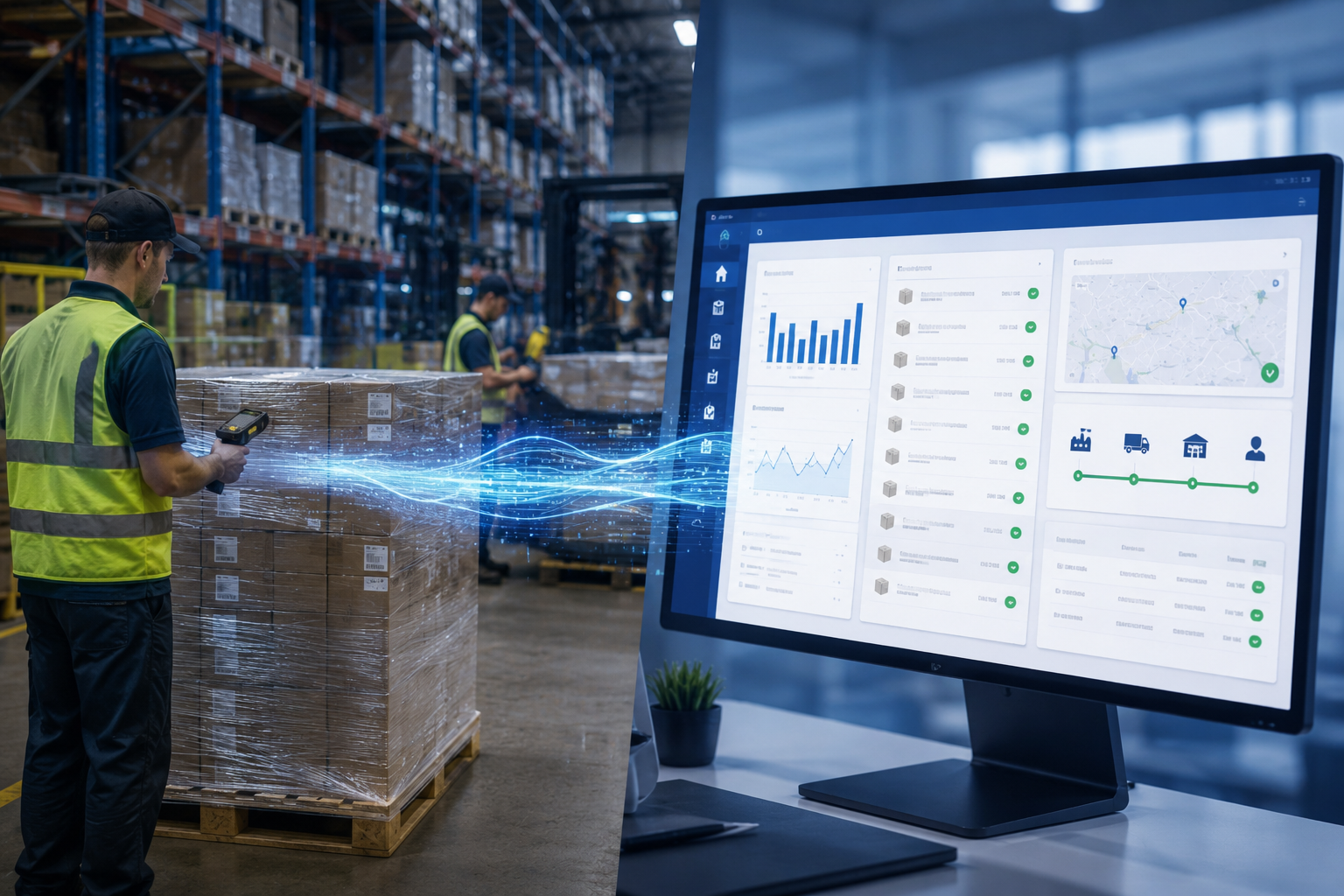
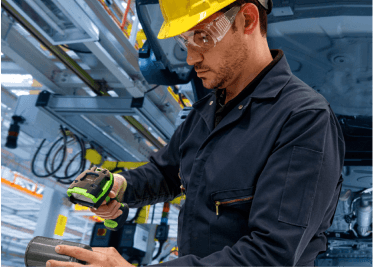
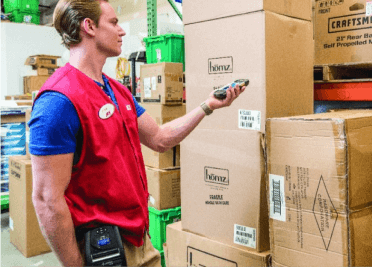
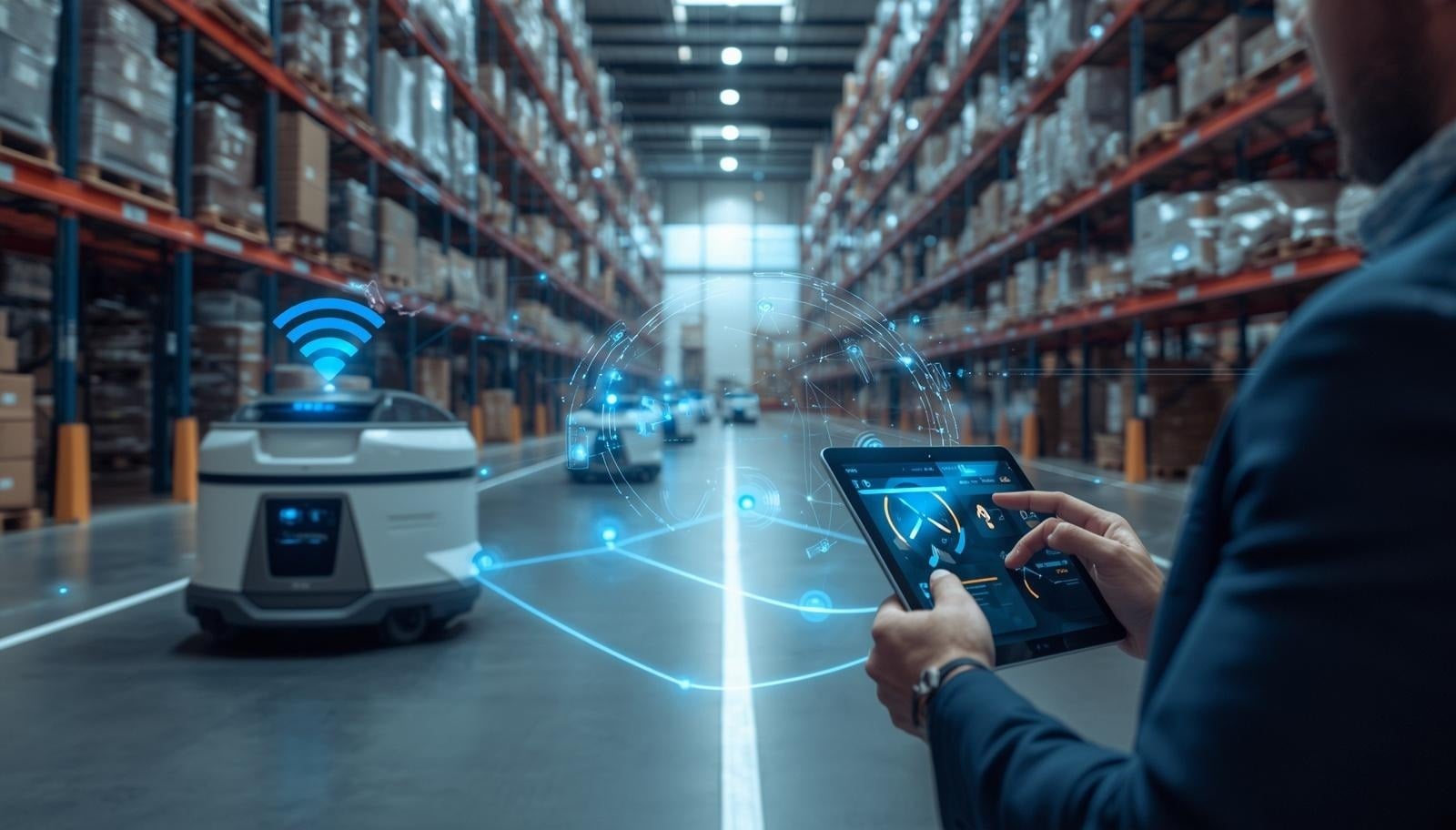
Warehouses, distribution centers, and manufacturing facilities are adding more connected systems to improve speed, accuracy, throughput, and labor efficiency. That includes handheld mobile devices, vehicle-mounted computers, voice systems, autonomous mobile robots, automated guided vehicles, conveyors, PLC-connected automation, gantries, and automated storage and retrieval systems.
This creates opportunity. It also creates complexity. As more systems become connected, the need for performance visibility becomes more important.
Automation depends on reliable communication
Automation systems rely on timely communication between devices, applications, servers, and networks. Every command, confirmation, transaction, and response matters.
During a recent AbeTech webinar, Shari Christopherson, President of Connect Inc explained that Connect can monitor "really anything that has an IP address on the network." That includes mobile robots, AGVs, voice systems, heads-up displays, PLC-connected automation, conveyors, gantries, and ASRS systems.
That is a major point for enterprise leaders. The visibility challenge is no longer limited to handheld scanners. The same performance questions now apply to a broader automation ecosystem.
- Is the system communicating properly?
- Where are delays occurring?
- Why did the robot stop?
- Why did the transaction fail?
- Is the problem wireless, application-related, server-related, or tied to another system?
Automation has a lower tolerance for failure
A frontline worker may be able to work around a slow device. A robot may not.
David Davis, AbeTech's Wireless Solutions Architect, explained that with AMRs, the tolerance for failure can be almost zero. If the robot encounters a connectivity issue or transaction failure, it may simply stop. Even worse, it may not provide enough diagnostic detail to explain why.
That creates a major troubleshooting challenge.
Operations teams may see the symptom, but not the cause. The automation vendor may only see part of the issue. The network team may see another part. The application team may see something else. Without end-to-end visibility, teams may struggle to identify what actually happened.
Visibility helps protect automation investments
Automation projects often require significant investment. They are justified by business outcomes such as improved throughput, reduced labor dependency, better accuracy, and more consistent performance.
But those outcomes depend on reliable execution in the real environment.
A system that stops, slows, disconnects, or fails to respond consistently can undermine the business case. Even if the issue is intermittent, it can reduce confidence in the technology and create operational disruption.
End-to-end visibility helps teams protect automation investments by making performance issues easier to detect, understand, and resolve.
The root cause may cross multiple systems
One of the biggest challenges with automation is that problems often span multiple layers.
A stopped AMR may appear to have a wireless issue. The root cause may be application response time, server negotiation, network latency, device behavior, or a vendor-specific system exchange. The issue may only appear under certain conditions.
That is why vendor-agnostic visibility is valuable.
David emphasized that teams should not have to rely solely on the automation system or application itself to explain what happened. A broader view across the transaction path helps teams identify where the issue is occurring and who needs to be involved.
The problem you can't see is costing you most
The biggest risks in your operation aren't always obvious. That's exactly what makes them dangerous.
When performance issues are buried across layers of devices, networks, and applications, internal teams often can't see the full picture on their own. An outside perspective doesn't add more work — it exposes what's missing.
And what's visible can be fixed.
See what's really happening in your operation
AbeTech partners with Connect Inc. to help enterprise teams gain end-to-end visibility across their automation ecosystem — from handheld devices to AMRs to everything connected in between.
If your operation depends on automation, don't wait for a stoppage to find out where the gaps are. Talk to an AbeTech expert today and get a clearer picture of what's running, what's at risk, and what needs attention.