Healthcare Supply Chain Visibility & Efficiency 

 AbeTech provides supply chain visibility and tracking solutions for hospitals and health systems, helping them monitor medical supplies and equipment from receiving through distribution. Using barcode, RFID, and mobile scanning technology, AbeTech reduces inventory waste, improves compliance reporting, and gives healthcare supply chain teams real-time visibility into what they have, where it is, and when it expires. 

LET'S CONNECT
white wave
medical supply chain-1 yellow circle dots background

The Healthcare Supply Chain Challenge

 Healthcare organizations lose money and time when supply chain visibility breaks down — most commonly through manual tracking, disconnected systems, and inventory that expires or goes missing before it's used. 

  • Manual tracking and inventory visibility gaps slow operations and increase the risk of stockouts or overstock
  • Fragmented tools across receiving, storage, and distribution make it difficult to see the full picture
  • Expired inventory and misplaced assets drive avoidable cost
  • Audit and regulatory requirements demand accurate lot tracking and reporting
  • Staff turnover creates dependency on institutional knowledge instead of reliable systems

 An integrated supply chain visibility system replaces manual tracking with real-time data — reducing waste and freeing staff time for higher-value work. 

 How AbeTech Solves It 

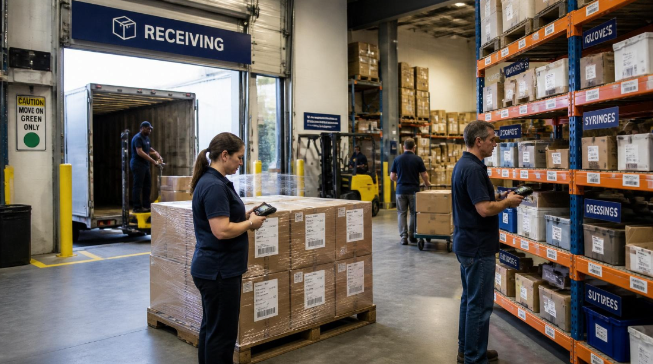
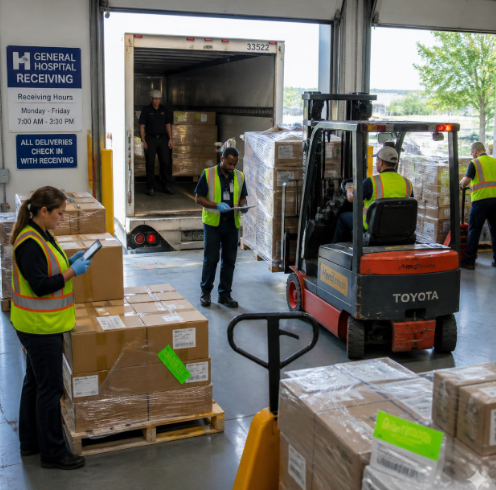
 AbeTech's connected operations model tracks supplies through four stages — receive, track, verify, and distribute — so every item is accounted for from the moment it arrives to the moment it's used. 

 Receive 

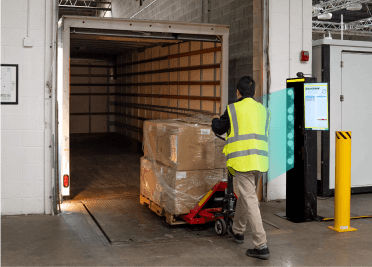
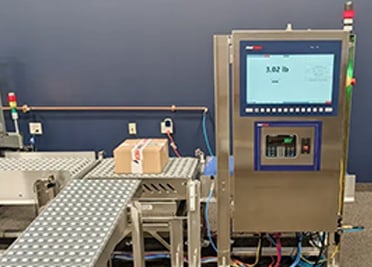
 Verifies inbound goods and materials against purchase orders and supplier data as they arrive at the dock. 

blue top wave
receiving dock at hospital
Gray wave
Medical Par Closet orange graphic

 Track 

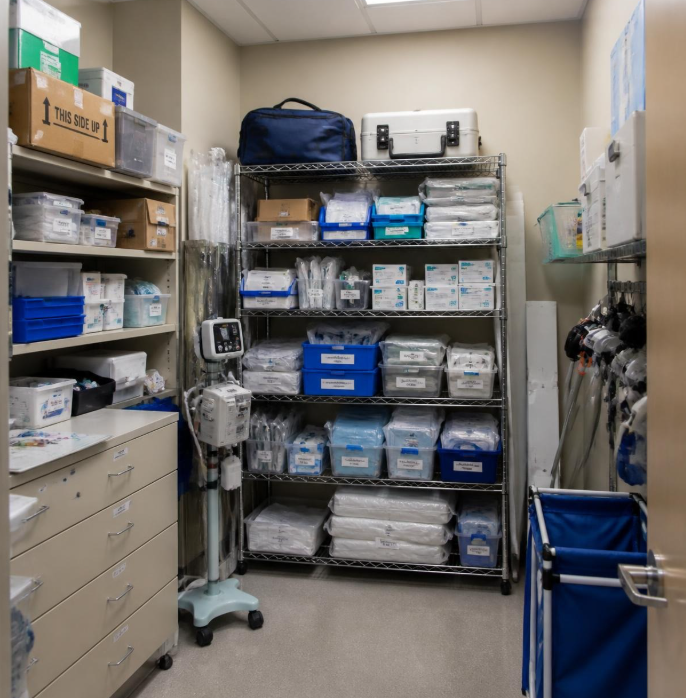
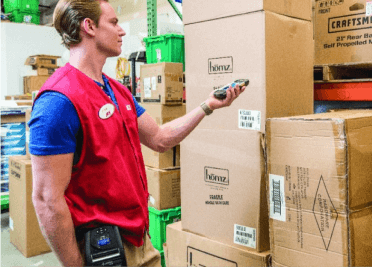
 Provides real-time visibility into inventory, equipment location, and status across storage and facility areas. 

Verify

 Confirms the correct product, lot, and expiration date before items move further into the supply chain. 

Distribute

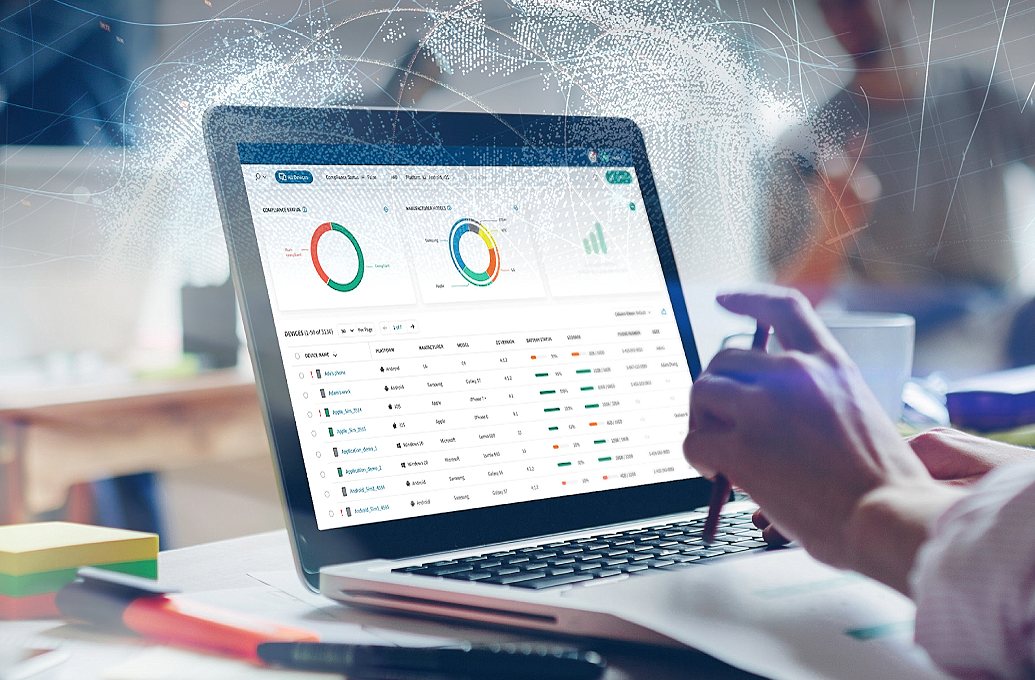
 Supports accurate picking, packing, and order fulfillment to departments and facilities. 
top wave
doctor at computer looking at charts

Find Your Success

SCHEDULE A CONSULTATION
blue wave graphic

Frequently Asked Questions

What is healthcare supply chain visibility?

Healthcare supply chain traceability is the ability to track medical supplies, devices, pharmaceuticals, and inventory throughout their lifecycle—from receiving and storage to distribution and use. AbeTech helps healthcare organizations establish traceability through automated data capture and real-time visibility technologies.

 

How does AbeTech help hospitals manage their supply chain?

AbeTech connects receiving, tracking, verification, and distribution into one integrated workflow using barcode and RFID scanning technology, replacing manual tracking with real-time inventory data.

How can healthcare organizations improve supply chain visibility?

Healthcare organizations improve supply chain visibility by implementing barcode scanning, RFID tracking, and mobile data capture solutions that provide real-time insight into inventory, medical supplies, and equipment throughout the supply chain. AbeTech helps hospitals and health systems deploy these technologies to improve visibility, reduce waste, and support better operational decision-making.

What causes inventory waste in healthcare supply chains?

Inventory waste is often caused by expired products, inaccurate inventory records, manual tracking processes, misplaced supplies, and limited visibility into inventory levels across departments. AbeTech helps healthcare organizations reduce waste by providing real-time inventory tracking and automated inventory management solutions.

How does RFID improve healthcare supply chain management?

RFID technology provides real-time visibility into medical supplies, equipment, and inventory without requiring manual scanning. AbeTech helps healthcare organizations use RFID to improve inventory accuracy, track critical assets, reduce product loss, and support compliance and reporting requirements.

How can healthcare organizations reduce expired inventory?

Healthcare organizations can reduce expired inventory by tracking lot numbers, expiration dates, and inventory movement throughout the supply chain. AbeTech's barcode, RFID, and mobile scanning solutions provide visibility into inventory status and help staff identify products before they expire.

What technologies improve healthcare supply chain efficiency?

Healthcare organizations improve supply chain efficiency through a combination of barcode scanning, RFID tracking, mobile computing, inventory management systems, and automated verification technologies. AbeTech helps integrate these tools to provide real-time visibility, improve inventory accuracy, reduce manual work, and support better patient care operations.


 

What are the benefits of real-time healthcare inventory tracking?

Real-time inventory tracking helps healthcare organizations reduce stockouts, prevent excess inventory, improve supply utilization, support compliance reporting, and make more informed purchasing decisions. AbeTech provides technologies that enable accurate inventory visibility across multiple facilities and departments.

How does AbeTech help healthcare organizations maintain regulatory compliance?

AbeTech helps healthcare organizations improve lot tracking, expiration tracking, inventory documentation, and reporting through integrated barcode, RFID, and mobile scanning solutions. These systems support compliance efforts by maintaining accurate records and improving visibility into inventory movement.

What is healthcare supply chain traceability?

Healthcare supply chain traceability is the ability to track medical supplies, devices, pharmaceuticals, and inventory throughout their lifecycle—from receiving and storage to distribution and use. AbeTech helps healthcare organizations establish traceability through automated data capture and real-time visibility technologies.